We get asked to quote "a shiny floor" fairly often, and the first job is working out which of two entirely different things the customer means.
The fundamental difference
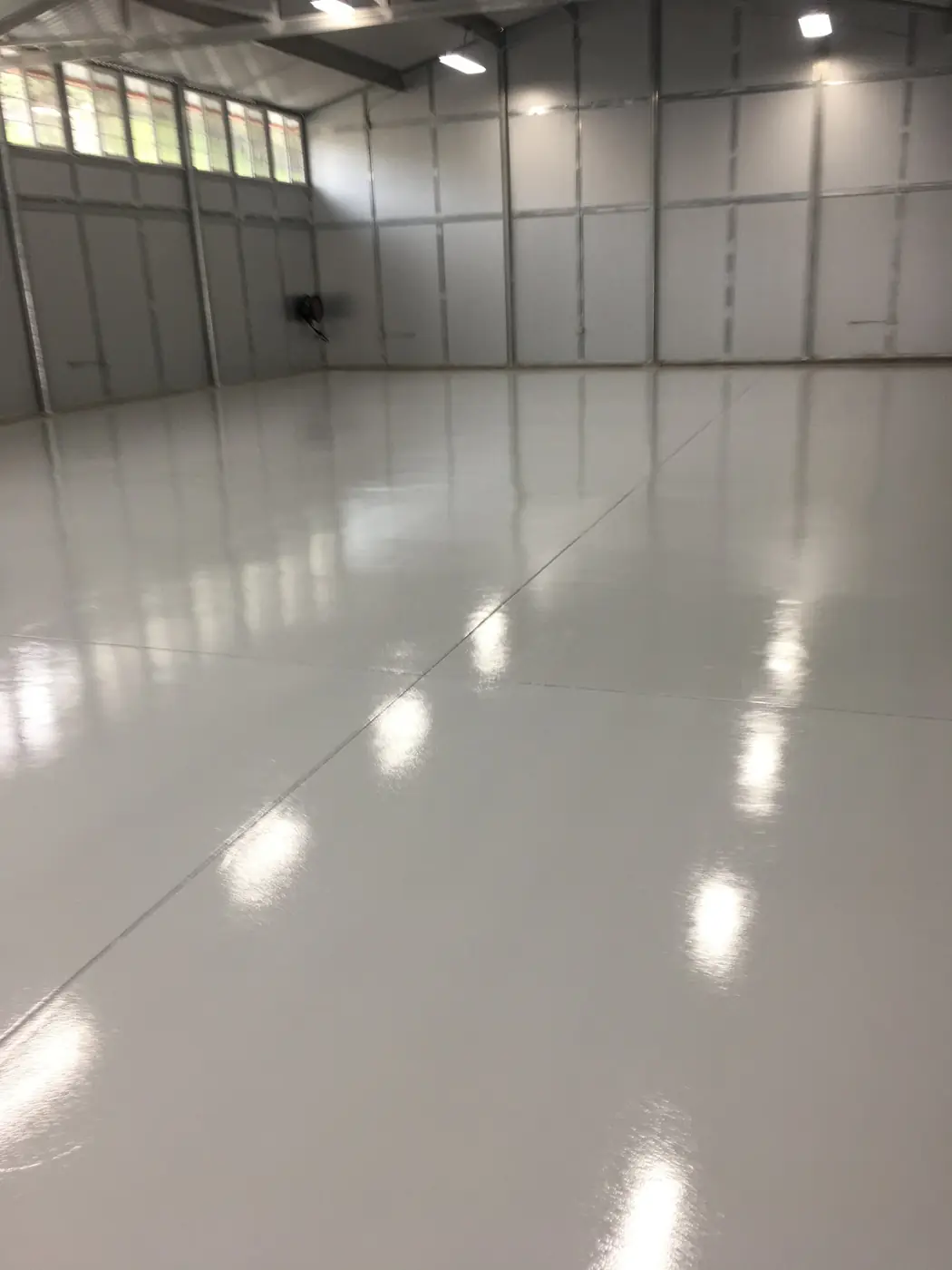
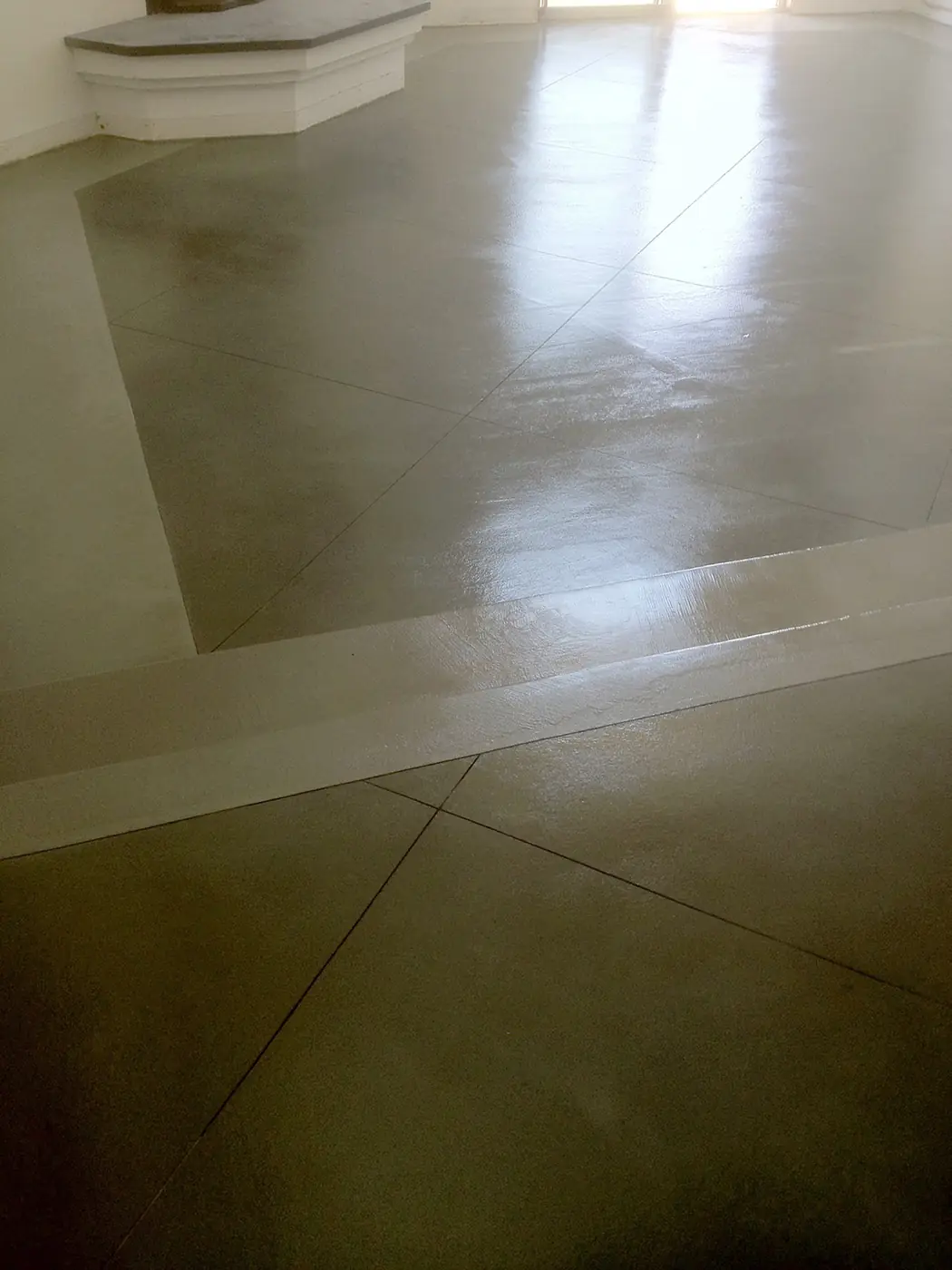
Polished concrete is the slab you already have, refined. We grind it with progressively finer diamond tooling until the surface is dense, hard and reflective, then densify and seal it. Nothing is added on top. What you walk on is concrete.
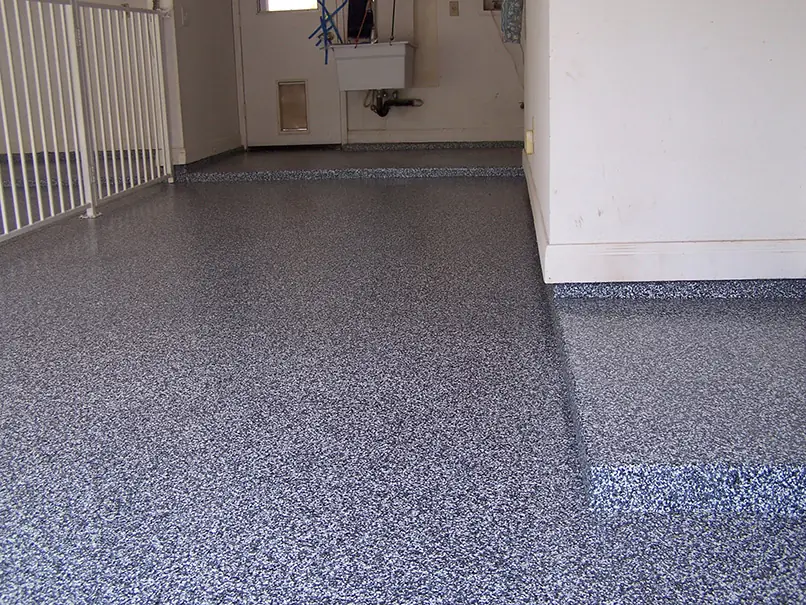
Epoxy is a resin coating applied over the slab. The concrete underneath is prepared and then covered. What you walk on is epoxy.
That single distinction drives almost every practical difference between them.
Where polished concrete wins
Nothing to peel. There is no film on the surface, so there is no bond to fail. This is why it is worth serious consideration on coastal slabs with a moisture problem — see why coastal garage floors keep failing. Vapour pressure cannot lift a coating that is not there.
Extremely hard wearing. Retail floors, convenience stores, distribution space — polished concrete takes trolley wheels and foot traffic for years. We have done supermarket and retail floors that still look right long after a coated floor would have needed attention.
Nothing to replace later. Coatings have a service life and eventually get recoated. A polished floor gets re-burnished.
It looks like concrete. For a lot of buildings that is exactly the point — the aggregate, the variation, the honesty of the material.
Where epoxy wins
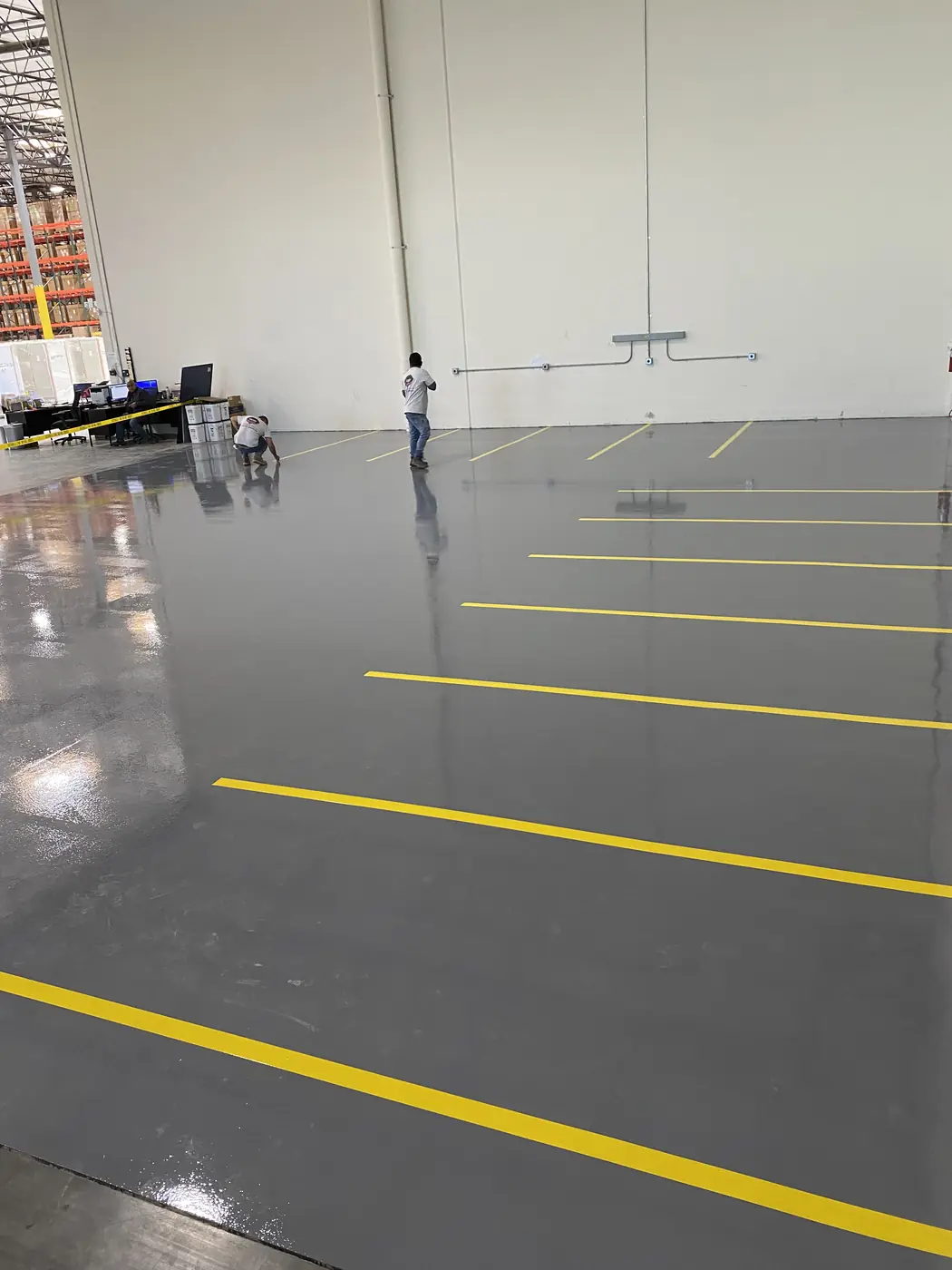
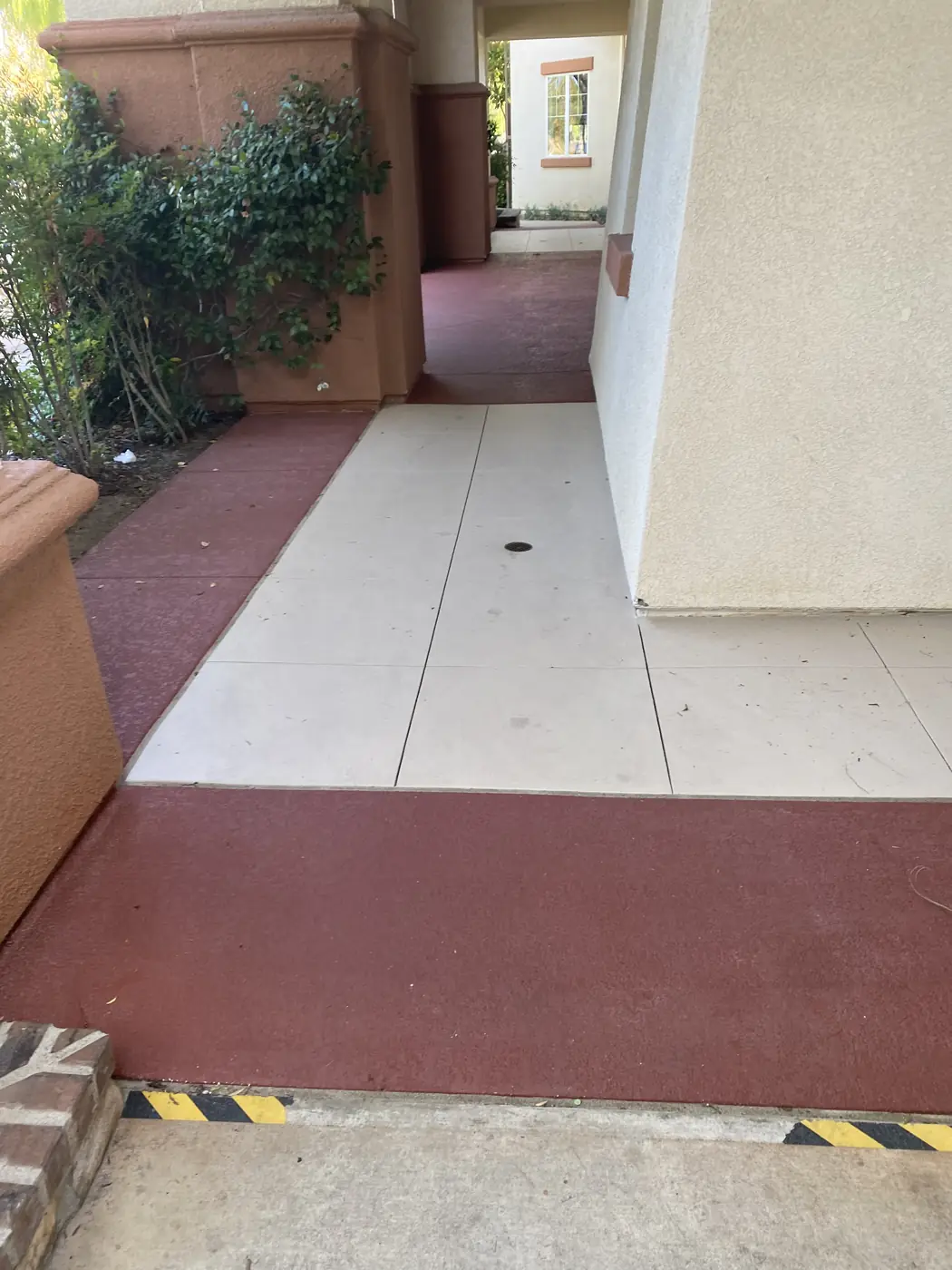
Color and control. Epoxy gives you any color you want, uniformly, including safety striping and zone marking. Polished concrete gives you what is in your slab, plus stain if you want it.
Chemical resistance. In a plant handling solvents, a workshop, a commercial kitchen or a brewery, epoxy specified for that exposure is the right answer. Polished concrete is sealed but it is not a chemical barrier.
Wash-down areas. Epoxy can be coved up the wall so there is no joint at the floor edge for water to get into. That matters enormously in food and beverage work — see our note on brewery and kitchen floors under epoxy floor coatings.
A bad slab. If the existing concrete is patched, stained through, or has aggregate you would not want to see, polishing will expose all of it. Epoxy covers it.
Metallic finishes. The poured marbled floors in our gallery are epoxy. There is no polished-concrete equivalent.
The question that usually decides it
*What is the slab like?*
Grinding exposes what is in the concrete. If your slab was poured well, is reasonably flat and has decent aggregate, polishing will look superb. If it has been cut and patched by three different trades, has a power-float pattern that will not grind out evenly, or has old adhesive residue driven deep into it, you will fight it the whole way — and epoxy is the pragmatic choice.
We take a test patch on anything we are unsure about. You see the actual floor, in your actual building, before committing to the whole area. That is a couple of hours of work that prevents a very expensive disagreement.
For warehouses specifically
Most distribution floors we do are epoxy, for one reason: aisle and safety markings. Polished concrete can be stained and sawcut, but for high-contrast markings that survive forklift traffic, an epoxy system with the striping laid under a wear coat is the durable answer. More on that in how warehouse floor striping survives forklifts.
Where a warehouse does not need heavy marking, polished concrete is frequently the better long-term value — the slab is already there and it will outlast any coating put on it.
What we would ask you
- What gets spilled on this floor, and how is it cleaned?
- What traffic does it take — foot, trolley, forklift, vehicles?
- Does it need markings or zones?
- Is it a wash-down area, and does it need coving and fall to drains?
- What condition is the existing slab in?
- Is there a moisture issue?
Answer those six and the choice is usually obvious. We have been preparing and coating concrete since 1976, including millions of square feet of commercial and municipal work, and we would rather point you at the right system than sell you the one with the bigger invoice.
Book a free on-site estimate and we will look at your slab and tell you what it is suited to.