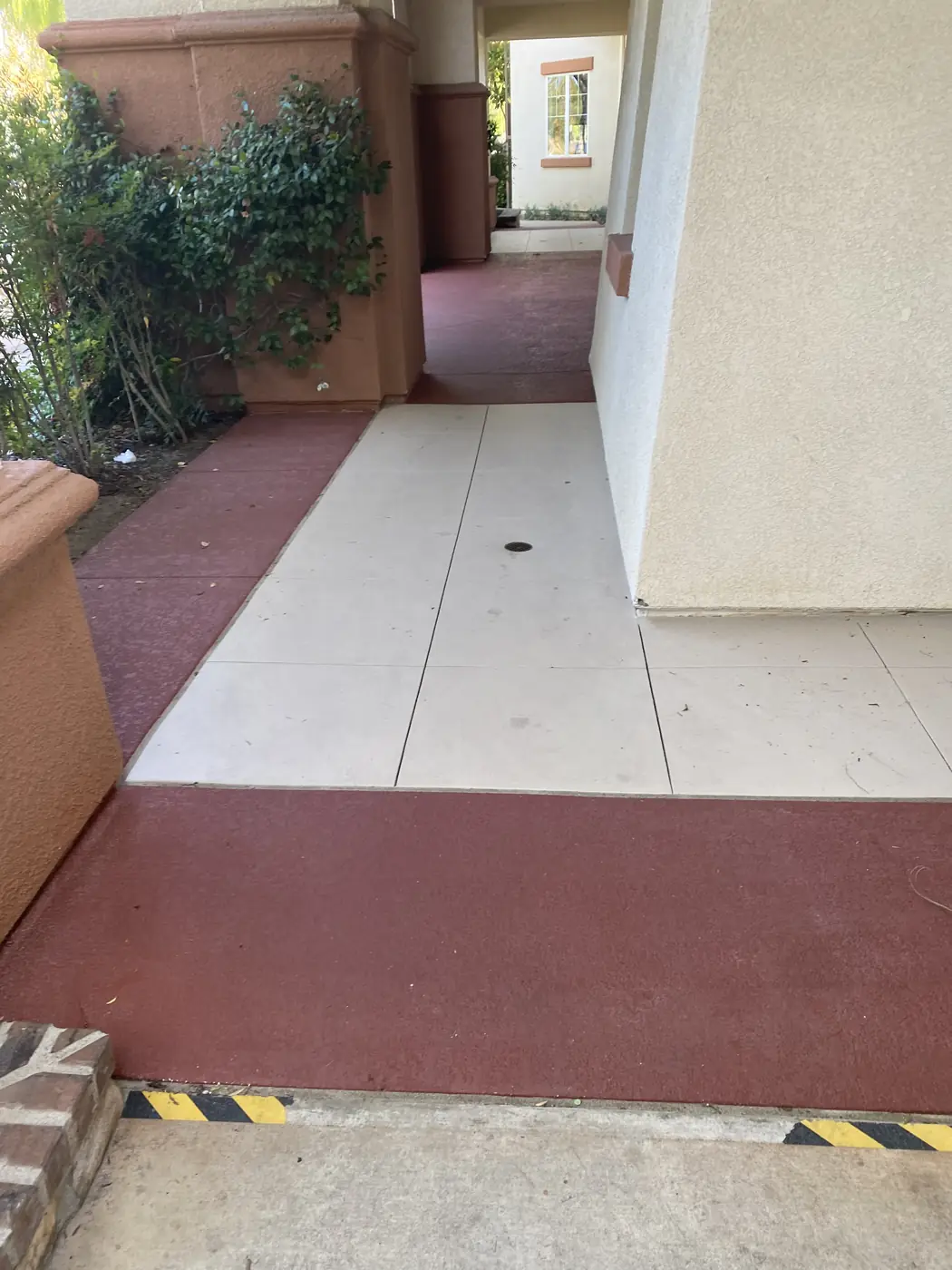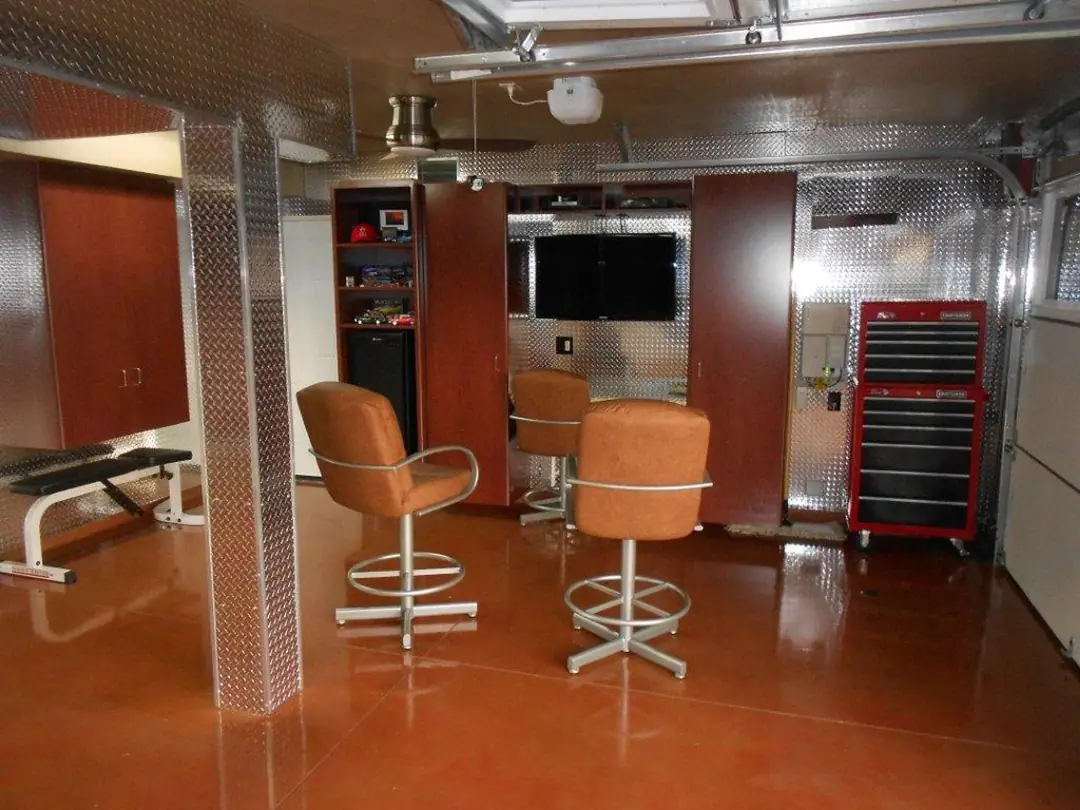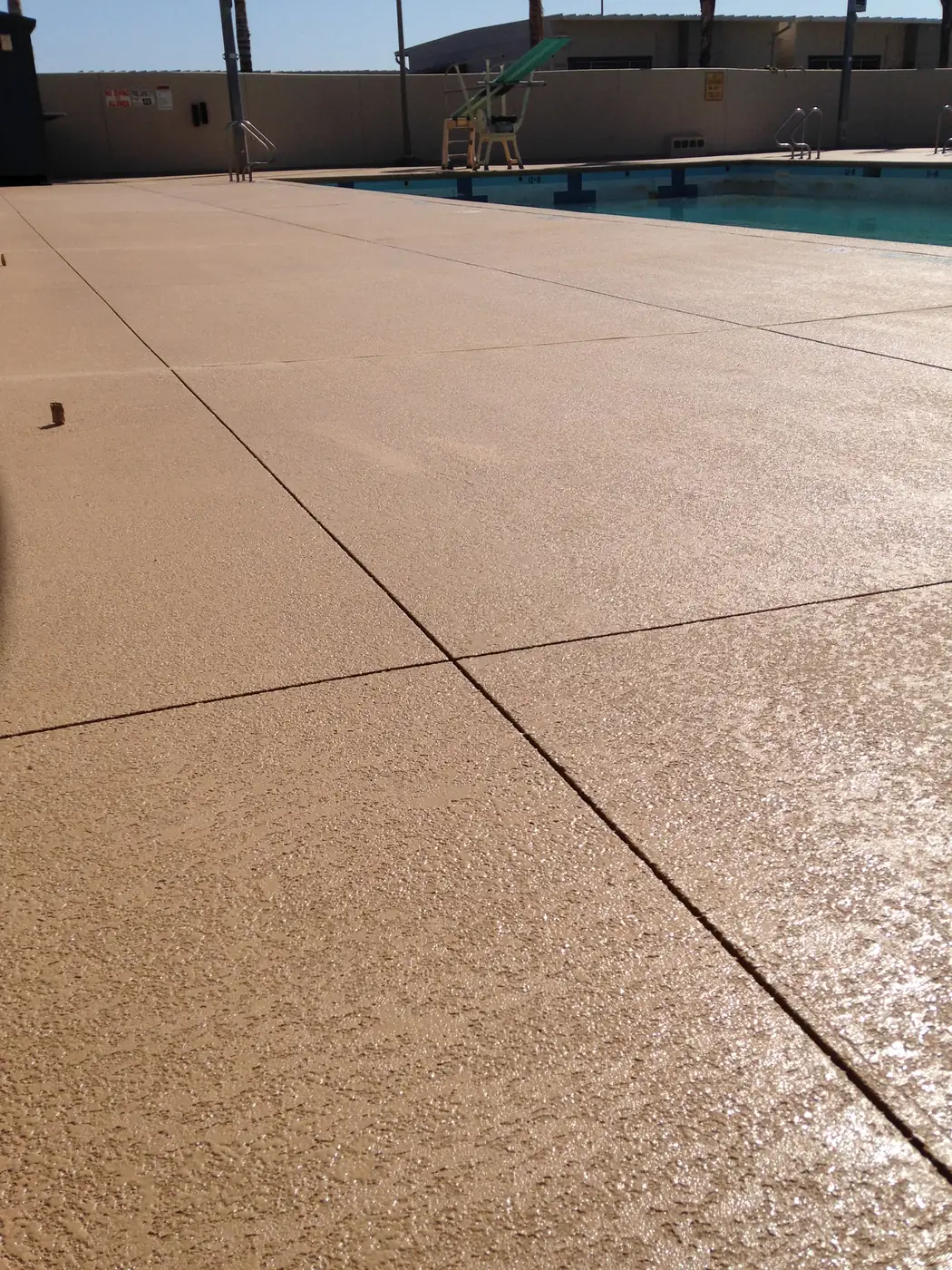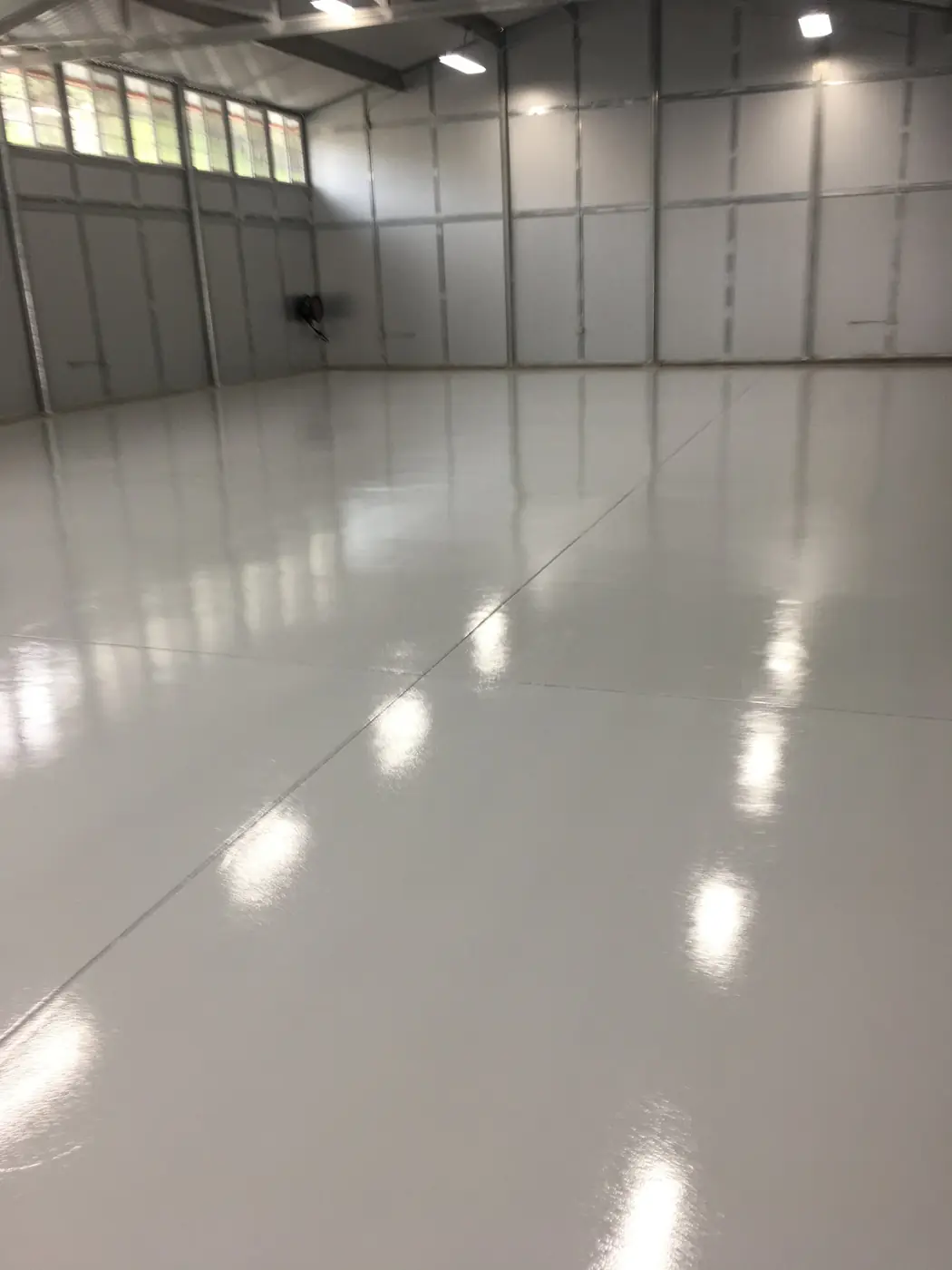
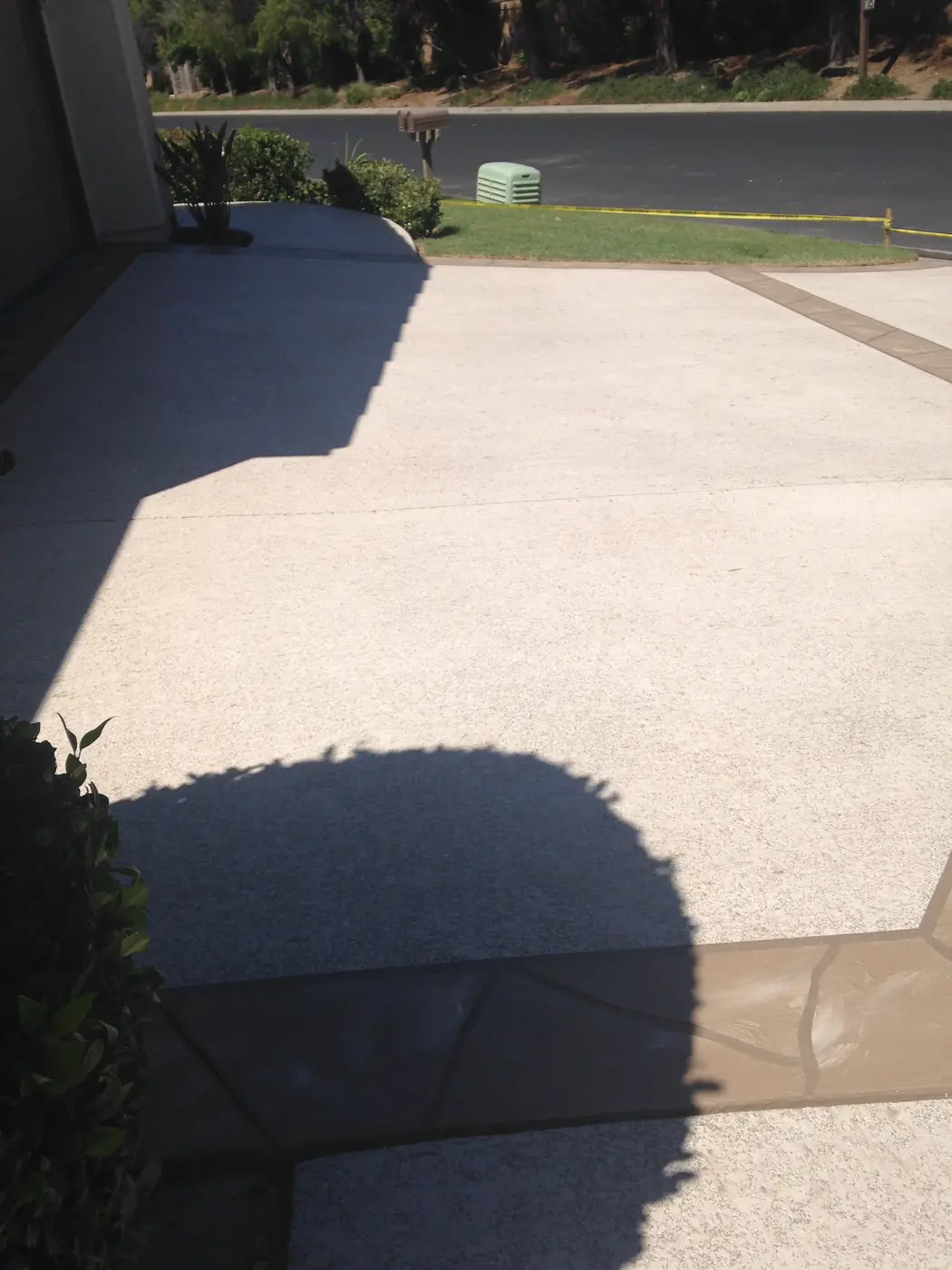
Drive around Baldy Mesa, Eagle Ranch or the older streets of Apple Valley and you will see the same thing on driveway after driveway: a pitted, crumbling surface where the top few millimeters of concrete have flaked away, exposing the aggregate underneath.
That is spalling. It is the defining concrete problem of the High Desert and it is caused by something valley-floor cities barely experience.
What freeze-thaw actually does
Concrete is porous. Water gets into it — from rain, from irrigation, from washing the car — and sits in the pores and in any hairline cracks.
When that water freezes it expands by roughly nine percent. It has nowhere to go, so it pushes outward against the concrete around it. One cycle does nothing measurable. A few hundred cycles, over a few winters, levers the surface apart from the inside.
Victorville sits at about 2,700 feet. Apple Valley runs closer to 2,900. Hesperia is higher again at around 3,200 feet. All three regularly drop below freezing on winter nights while still hitting well above 100°F on summer afternoons. That is a bigger annual and daily range than almost anywhere else we work, and concrete feels every degree of it.
Down in Riverside or Temecula, freezing nights are rare enough that freeze-thaw is not the main failure mode. Up here it is the main failure mode.
De-icing salt makes it much worse
Snow is not common in the Victor Valley but it happens, and what people reach for afterwards is rock salt.
Chloride from de-icing salt does two things. It drives the freezing point down so the water can go through more freeze-thaw cycles in a given winter, and it attacks the reinforcement if any is exposed. On a driveway that already has surface cracking, salt accelerates spalling dramatically.
If you take one thing from this article: a sealed or properly coated slab keeps chloride out. An unsealed one does not.
Why standard coatings fail up here
A coating on High Desert concrete has to cope with a slab that moves more, and moves faster, than the same slab would at lower elevation. A rigid system cracks. That is not a defect in the product, it is a specification error — the wrong coating for the environment.
We use systems with enough flexibility to move with the slab, and we honour the existing control joints rather than coating straight across them. Joints exist so the concrete has somewhere to crack on purpose. Bridging them with a rigid coating just moves the crack somewhere you did not choose.
There is also a cure-temperature problem nobody mentions in the brochure. Most coatings need the slab above roughly 50°F to cure properly. A Hesperia morning in January is nowhere near that. We schedule High Desert winter work for the warmer part of the day, or we use a system rated for lower temperatures. What we do not do is coat in the cold and hope.
Can spalled concrete be saved?
Usually, yes — and that surprises people who have been quoted for a full tear-out.
The process is: grind back until you reach sound concrete, repair what has been lost, then put a resurfacing coat over the whole area so it reads as one surface. You keep the slab and you get a new wearing surface with a proper sealer keeping water and chloride out of it from then on.
The exception is the same one as everywhere else. If sections have moved relative to each other — one side of a crack sitting higher than the other — that is settlement rather than surface damage, and it needs a different answer. We cover that distinction in resurfacing versus replacing concrete.
What we look for on a High Desert estimate
- Whether the spalling is surface-only or has reached the reinforcement
- Whether there is a previous coating, and how many layers. Old failing coatings come off first — see concrete coating removal
- Drainage. Water that pools on a slab freezes on a slab
- Existing joints and whether they are still doing their job
- Which parts of a long driveway are actually worth doing, because in Oak Hills and Rancherias a driveway can run a hundred feet and the honest answer is sometimes to do the visible section
Do it before the winter, not after
The best time to coat High Desert concrete is while it is still sound. Once spalling starts it accelerates, because every flake that comes off exposes more porous material to the next freeze.
We cover Victorville, Apple Valley and Hesperia from our yard in Wildomar, and there is no travel charge for coming up the hill. Book a free on-site estimate.